

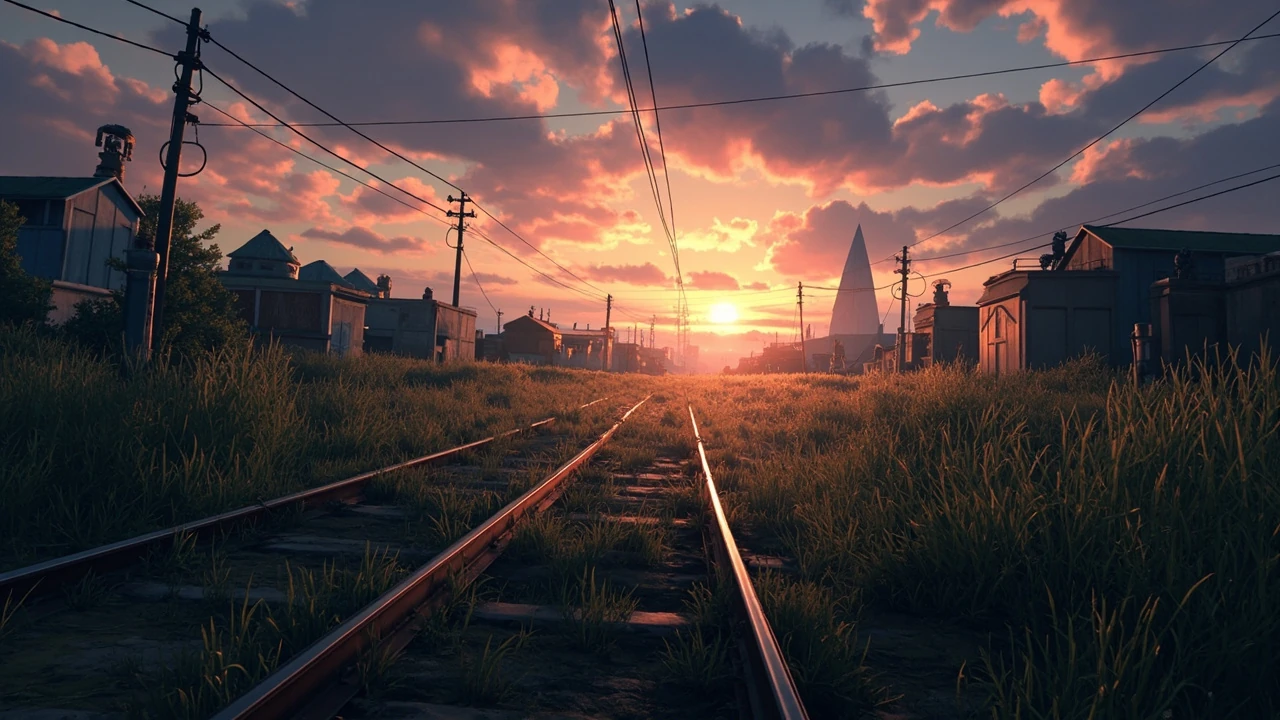
Wild Zone 16 in Pokémon Legends: Z-A: what to expect when the zone opens
Wild Zone 16 is one of the mid-to-late unlocks in Pokémon Legends: Z-A, and it opens right when the player’s rank progress turns a corner. By the time the zone becomes available, the player has already seen how the game’s encounter design shifts between dense urban pockets and open grass, and Wild Zone 16 is the first place where that contrast stops feeling subtle. It is a transitional zone in more than name: it sits between the earlier open Wild Zones and the endgame areas that the campaign saves for last, and the way it routes encounters reflects that role.
This guide focuses on three things. First, how Wild Zone 16 actually unlocks within the main quest structure, and what Main Mission 24 demands before the zone opens. Second, the design choices that shape its encounter list and how those choices compare to surrounding Wild Zones. Third, the player-facing decisions the zone enables, from team-building to route planning through the rest of the campaign. The framing is that of a game development field guide, treating the zone as a designed space rather than a checklist.
For the broadest reference, Eurogamer maintains a verified list of all Wild Zone Pokémon in Legends Z-A, including Wild Zone 16, that tracks the unlock mission and which Pokémon appear in each zone. That list is the anchor for the unlock data used here, and the rest of the analysis treats the zone as a designed space within the game’s progression system.
How Wild Zone 16 unlocks in the main campaign
Wild Zone 16 does not appear on the map from the start. According to the verified Wild Zone reference, Wild Zone 16 unlocks after completing Main Mission 24, titled “Reaching Rank C.” This places it firmly in the second half of the rank climb, after the player has already passed through the early story missions and the unlock gate that opens Wild Zones 1 through 6.
Two earlier unlock gates matter for context:
- Main Mission 5, “The City in the Shadow of Prism Tower,” opens access to the rest of the first six Wild Zones and serves as the game’s first major progression gate.
- Main Mission 9, “The Secrets of Mega Evolution,” opens Wild Zones 7 through 10, which mark the first noticeable shift toward stronger encounters.
Main Mission 14, “Reaching Rank E,” opens Wild Zones 11 through 13, and Main Mission 19, “Reaching Rank D,” opens Wild Zones 14 and 15. Wild Zone 16 is grouped with Wild Zone 17 under the same unlock gate at Main Mission 24. The grouping is meaningful for design analysis: it tells the player that the game intends for these two zones to be experienced together as a paired step in the rank ladder, not in isolation.
For a player who wants to plan ahead, the practical implication is that the spawn list and routing of Wild Zone 16 should be read alongside Wild Zone 17 rather than against the earlier zones. The earlier zones lean on foundational encounters and basic Alpha chases, while the pair at Main Mission 24 is where the encounter tables start introducing the more situational spawns that the late game will require.
Why Wild Zone 16 sits where it does in the progression curve
Wild Zone 16 is interesting to think about as a design object, because the game uses it to do specific pacing work. Three design pressures push against each other in this part of the map, and the zone is the compromise point between them.
The first pressure is the rank ladder itself. Pokémon Legends: Z-A structures progression as a series of rank thresholds, and each threshold is the gate for a batch of Wild Zones. The threshold at Main Mission 24 is the player’s first taste of late-mid-game content, and the zones it opens are expected to demand a more deliberate team than the early zones did.
The second pressure is encounter density. The game has to fit a large number of distinct Pokémon spawns into a city-shaped map, and the early Wild Zones already cover a wide slice of the Pokédex. By the time the player reaches Wild Zone 16, the encounter list has to add new creatures without contradicting the entries that the player has already been able to catch. Wild Zone 16 and its pair, Wild Zone 17, do that work by leaning on encounters that fit the city’s transitional edges: spaces where the urban grid meets industrial or natural terrain.
The third pressure is route gating. The player does not just need the right team; the player needs the right route, and the city map is laid out so that the higher-numbered Wild Zones are geographically further from the player’s main hub. Wild Zone 16 is one of the zones that turns the player’s traversal expectations around. The first several Wild Zones can be reached with short, predictable routes. Wild Zone 16 is the first place where route planning stops being trivial.
Spawns, day and night, and what the encounter list is doing
The verified Wild Zone list notes that some Pokémon in Legends: Z-A only appear during the day, some only at night, and that Alpha Pokémon should be watched for in every zone. Wild Zone 16 follows that same logic. The zone’s encounter table is therefore best read in two passes: the creatures that are present at any time, and the creatures that rotate with the day-night cycle. The day-night split is a meaningful design tool, because it forces the player to revisit a zone rather than treat it as a single-pass checklist.
A useful way to approach the spawn list is to sort it into three buckets:
- Common spawns that the player will see on almost any visit and that exist primarily to keep the wild area feeling populated and to provide the baseline resource encounters.
- Time-gated spawns that require a day or night visit, which the game uses to make the player feel that the world has a real cycle even when they are focused on progression.
- Alpha-class spawns, which are the player’s main reward for tracking movement, learning the spawn points, and paying attention during combat.
This three-bucket model is not unique to Wild Zone 16, but the zone is a good case study because it sits at a point in the game where each bucket starts to matter for different reasons. The common spawns become the player’s farming baseline for crafting and stat-boosting resources. The time-gated spawns become the player’s gate to certain evolutions and team roles. The Alpha spawns become the player’s main reason to return to the zone after they have already cleared it once.
Alpha spawns in Wild Zone 16 and how to read them
Alpha Pokémon are a defining mechanic of Pokémon Legends: Z-A, and Wild Zone 16 is one of the earlier zones where Alpha encounters start to feel like a real challenge rather than a curiosity. The reason is straightforward: by the time the player reaches Main Mission 24, the player has had enough combat experience to handle a single oversized encounter, and the game can start using those encounters as soft difficulty tests before the harder zones further up the rank ladder.
The mechanics that make Alpha spawns interesting from a design standpoint are the same in every zone, but their impact changes by zone. In the early Wild Zones, an Alpha is a surprise. In Wild Zone 16, an Alpha is a route decision: the player has to decide whether to engage, retreat, or reroute, and that decision feeds back into how the player builds their team for the rest of the campaign.
For a player who wants to treat Wild Zone 16 as a designed space rather than a checklist, three Alpha-hunt principles apply across the zone:
- Watch the encounter density before engaging. An Alpha in the middle of a dense pack will draw in additional encounters that change the difficulty curve in ways that single-target planning does not account for.
- Use the zone’s geography, not just the player’s moveset. Wild Zone 16 is the kind of zone where breaking line of sight and using verticality are reliable answers to a tough Alpha, while brute-forcing with type advantage is less reliable than it is in open-grass zones.
- Treat the Alpha as information. Each Alpha’s typing and ability tells the player something about what the next paired zone, Wild Zone 17, is likely to demand, and the spawn list of the two zones should be read together.
How Wild Zone 16 compares to the zones around it
Wild Zones 14, 15, 16, and 17 form a chain in the second half of the rank ladder, and reading them as a chain is more useful than reading each one in isolation. The table below summarizes the relevant design pressure at each of the four unlock steps. The column “rank threshold” comes from the verified Wild Zone reference; the rest is editorial reading of the game’s progression shape.
| Wild Zone | Unlock mission | Rank threshold | Position in the chain |
|---|---|---|---|
| Wild Zone 14 | Main Mission 19 | Reaching Rank D | First zone of the late-mid batch; softer difficulty than 15 and 16. |
| Wild Zone 15 | Main Mission 19 | Reaching Rank D | Paired with Zone 14; tends to escalate Alpha pressure. |
| Wild Zone 16 | Main Mission 24 | Reaching Rank C | Transitional zone; first clear route-planning demand of the chain. |
| Wild Zone 17 | Main Mission 24 | Reaching Rank C | Paired with Zone 16; introduces spawns the late game will lean on. |
Two design notes are worth pulling out of that chain. The first is that the rank thresholds step in pairs: a single mission opens two Wild Zones at once. That is a deliberate pacing choice, because the player needs two connected areas to feel that the rank threshold actually changed the world, rather than just unlocking a single new encounter pocket. The second is that the rank ladder is the structural reason the player revisits older zones. The spawns in the early Wild Zones do not go away, but the player’s reasons to be in them shift: from progression to crafting, to evolution chains, to Alpha completion.
Route planning through Wild Zone 16
Once Wild Zone 16 is unlocked, the player has a real navigation problem. The zone is geographically past the earlier Wild Zones, which means the player is committing to a longer route to reach it than they were for any of the zones below it. Route planning in this part of the game stops being about which zone to visit first and becomes about which order to visit a connected set of zones and city pockets.
A practical approach has three parts. First, identify the zone’s entry point and the most reliable fast-travel path to it. Second, plan the order in which the player will sweep the time-gated spawns, because the day-night cycle forces revisits and the player can either plan around it or waste travel time fighting it. Third, identify the Alpha spawns the player wants to clear in this visit and group them by geography so that the player is not backtracking across the zone for a single encounter.
For a player who is moving into the rank C threshold for the first time, it also helps to plan the route through Wild Zone 16 alongside the rest of the rank C work, rather than treating it as an isolated visit. The same mission chain that unlocks the zone will send the player to other city spaces, and the player can stack Wild Zone 16 runs with those story encounters to avoid spending multiple trips on a single rank threshold.
Team building around what Wild Zone 16 demands
Wild Zone 16 is the first zone where type coverage starts to matter more than raw level, and the reason is again the design pressures the zone sits between. The player has been catching Pokémon since the early game, but most of those catches were aimed at filling the Pokédex and handling single encounters. The rank C threshold is the first place where the player benefits from a team that is built to cover the typing of the zone’s spawn list, not just the player’s favorites.
The practical advice is to build around three roles. The first is a type-disadvantaged sweeper, which is the Pokémon the player uses to clean up after the Alpha encounters and the densest pockets of spawns. The second is a tank or support role, which absorbs the chip damage that the city’s encounter density creates. The third is a pivot or utility role, which is the Pokémon the player uses to escape an Alpha when the encounter goes badly and to set up the next attempt. By the time the player has cleared Wild Zone 16, the team that worked in the early Wild Zones will usually need at least one of these roles swapped or rebuilt.
What Wild Zone 16 teaches about Pokémon Legends: Z-A’s encounter design
Reading Wild Zone 16 as a design case study is useful because it makes explicit the design choices the game applies throughout the Wild Zone system. Five patterns are visible in the way the zone is built and unlocked.
- Wild Zones are unlocked in batches, not one at a time, so that each rank threshold feels like a real world change rather than a single encounter addition.
- Spawns are time-gated, so the day-night cycle is a progression tool, not just an aesthetic choice, and revisits are part of the design.
- Alpha encounters are distributed across the entire chain, with their difficulty scaling against the rank ladder rather than against a single zone’s average level.
- Geography scales with progression, so the player is forced to learn the city map in order to keep up with the unlock gates.
- Each pair of Wild Zones, including 16 and 17, is a designed unit, and reading them as a pair is more accurate than reading either one alone.
Those five patterns are not unique to Wild Zone 16, but the zone is a good place to see all of them at once, because the player has just enough experience to notice the design and just enough progression left to see the consequences.
Common mistakes players make in Wild Zone 16
Because Wild Zone 16 sits at a transition point, a few predictable mistakes show up in player behavior. None of them are bugs in the encounter design. They are mismatches between the player’s expectations from earlier zones and what the zone actually demands.
- Treating the zone as a single visit. The day-night split and the Alpha spawns both reward multiple visits, and players who try to clear the zone in one run often miss the time-gated encounters and the rarer Alpha spawns.
- Ignoring the zone’s geography. The first several Wild Zones are forgiving about route choice, because the player can reset encounters by leaving the area. Wild Zone 16’s layout is less forgiving, and route choice matters more.
- Building a team around favorite Pokémon rather than around the zone’s typing. By rank C, type coverage is the first thing the player should fix, even if it means temporarily benching a favorite.
- Reading Wild Zone 16 in isolation. The zone is paired with Wild Zone 17 under the same unlock mission, and treating the two zones as separate progression steps usually costs the player time.
- Skipping the rank ladder. The Wild Zone unlock gates are tied to the rank ladder for a reason, and players who try to rush past rank D into rank C without engaging the earlier zones usually arrive at Wild Zone 16 underprepared.
Wild Zone 16 in the wider GameDev conversation
Wild Zone 16 is worth analyzing as a GameDev case study for a reason that has nothing to do with Pokémon itself. The zone is a clean example of how a single-player open-world game uses a progression ladder, an encounter system, and a day-night cycle together to create pacing that feels designed rather than emergent. The same techniques, in slightly different forms, show up in many open-world systems, from gated open zones in action RPGs to encounter-density scaling in survival games.
Three lessons transfer beyond Pokémon Legends: Z-A. The first is that batched unlocks are a reliable way to make a progression step feel like a world change, especially when each batch is a designed pair rather than a list. The second is that a day-night cycle is more useful as a progression tool when the encounter list is genuinely time-gated, so that revisiting the same area at a different time of day is rewarded. The third is that Alpha-class or mini-boss-class encounters are more effective when they are distributed across the entire progression chain rather than concentrated in a single endgame tier, because the player learns the mechanic gradually.
For a developer who is designing a similar open-world progression system, Wild Zone 16 is a useful reference because the zone is small enough to study in detail and central enough to the game’s pacing to be representative.
Quick reference: Wild Zone 16 at a glance
| Attribute | Detail |
|---|---|
| Wild Zone number | 16 |
| Game | Pokémon Legends: Z-A |
| Unlock gate | Main Mission 24, “Reaching Rank C” |
| Paired zone | Wild Zone 17 (same unlock gate) |
| Time-gated spawns | Yes, following the game’s day-night pattern |
| Alpha spawns | Present, scale with rank ladder |
| Best approach | Plan visits in pairs across day and night; read alongside Wild Zone 17 |
Frequently asked questions
How do you unlock Wild Zone 16 in Pokémon Legends: Z-A?
Wild Zone 16 unlocks after completing Main Mission 24, “Reaching Rank C.” The same mission also unlocks Wild Zone 17, and the two zones are designed to be experienced together rather than as separate steps.
Is Wild Zone 16 available from the start of the game?
No. Wild Zone 16 is gated behind the rank C mission chain, so the player has to progress through the rank ladder, including the rank D and rank E gates, before the zone becomes accessible.
Does Wild Zone 16 have time-gated spawns?
Yes. The zone follows the same day-night pattern that the rest of the game’s Wild Zones use, which means some Pokémon only appear during the day, some only at night, and the player should plan multiple visits rather than a single sweep.
Are there Alpha Pokémon in Wild Zone 16?
Yes. Wild Zone 16 has Alpha spawns, and they are part of the reason the zone is a useful transition point in the rank ladder. The Alpha encounters in this zone tend to be more demanding than the Alphas in the early Wild Zones, but less so than the Alphas in the late-game zones.
Should I read Wild Zone 16 and Wild Zone 17 together?
Yes. The two zones share the same unlock mission, and the encounter design treats them as a paired step in the rank ladder. Reading them as a pair is more accurate than reading either zone on its own.
What is the best team composition for Wild Zone 16?
By the time the player reaches rank C, type coverage matters more than raw level. A practical team for the zone pairs a type-disadvantaged sweeper, a tank or support, and a pivot or utility role, so that the player can both push through the densest pockets and reset from a bad Alpha encounter.
Can Wild Zone 16 be cleared in a single visit?
Players can complete the main encounters in one visit, but the time-gated spawns and the Alpha distribution mean that a single visit will not give the player the full spawn list. Plan at least one day visit and one night visit.
How does Wild Zone 16 fit into the rank ladder?
Wild Zone 16 sits in the late-mid-game band of the rank ladder, between the rank D batch (Wild Zones 14 and 15) and the rank B batch (Wild Zones 18 and 19). It is the first zone in the rank C batch, and it is the place where route planning starts to matter more than the player’s level alone.
Is there a difference between Wild Zone 16 and the earlier Wild Zones?
Yes. The earlier Wild Zones are more forgiving about route choice and Alpha engagement, while Wild Zone 16 is the first zone where geography and type coverage start to matter at the same time. The change is part of the game’s progression pacing.
What is the best way to prepare for Wild Zone 16 before unlocking it?
The player should clear the rank E and rank D Wild Zones first, build at least one reliable answer to each of the typings the player expects to face, and identify the zone’s entry point on the city map so the first visit is not spent on navigation.
Final notes for players and developers
Wild Zone 16 in Pokémon Legends: Z-A is best understood as a designed transition rather than a single encounter pocket. The zone opens at Main Mission 24, pairs with Wild Zone 17 under the same unlock gate, and uses its time-gated spawns and Alpha distribution to push the player from open-grass encounter design toward a more deliberate, route-aware style of play. For a player, the practical advice is to plan multiple visits, read the zone as a pair with Wild Zone 17, and rebuild the team around type coverage before engaging the rank C threshold. For a developer, the zone is a clean case study in batched unlocks, time-gated encounter design, and Alpha scaling across a rank ladder, and the same techniques can be applied to other open-world progression systems where the player needs a progression step that feels like a real world change.





Leave a Reply